Cause Evaluation
We look beyond the surface for moisture, movement, substrate, or installation issues that could affect the repair.

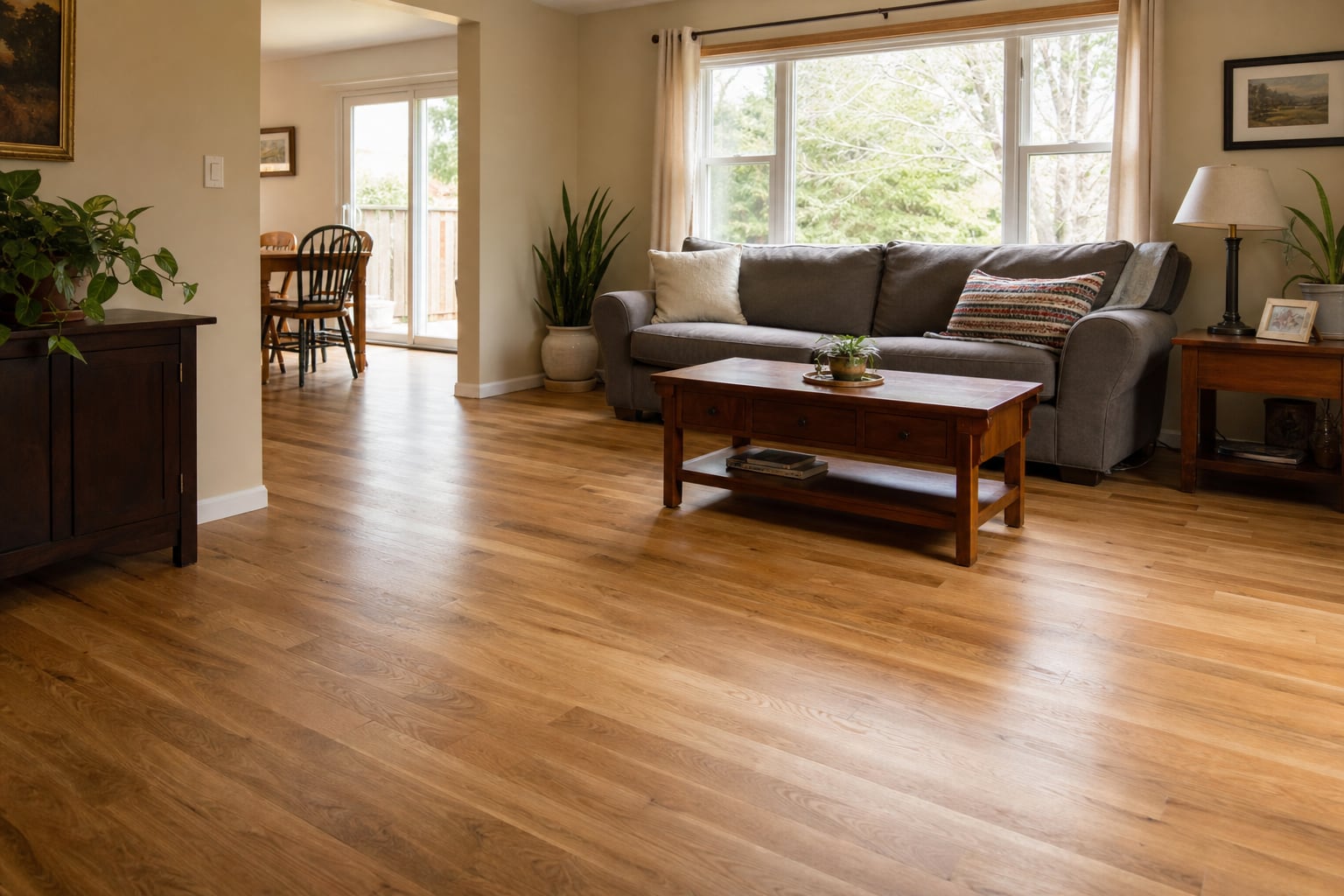
Localized floor repair
From damaged boards and cracked tile to separated planks and localized subfloor problems, we help determine what can be repaired and what needs a broader solution.
Repair before replacing
A focused repair can restore appearance and function while preserving the surrounding floor. We evaluate the visible damage, likely cause, material availability, and condition underneath before recommending the right next step.
Estimate a floor repairA practical first step
We look beyond the surface for moisture, movement, substrate, or installation issues that could affect the repair.
Damaged boards, planks, tiles, transitions, and small affected areas can often be addressed without replacing everything.
Localized soft spots, damage, or uneven areas can be evaluated as part of the repair scope.
We help assess available spare material or replacement options, with clear expectations when an exact match is unavailable.
If the damage is widespread or points to a larger problem, we explain why replacement or further evaluation may be more appropriate.
Edges, transitions, alignment, and the surrounding floor are considered so the repair feels intentional.
Common repair types
 01
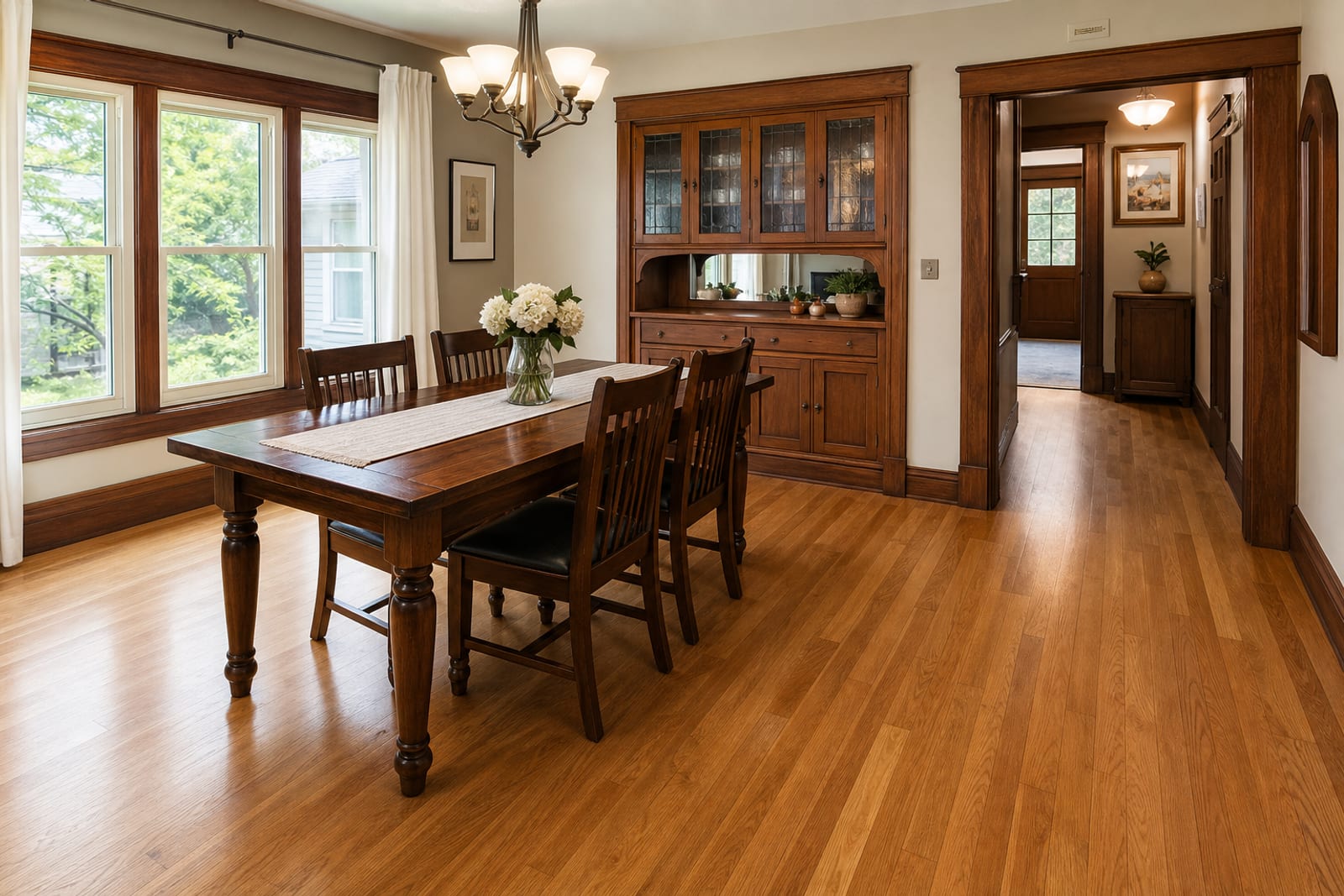
01Individual damaged, stained, or compromised boards may be replaced when compatible material and access allow.
 02
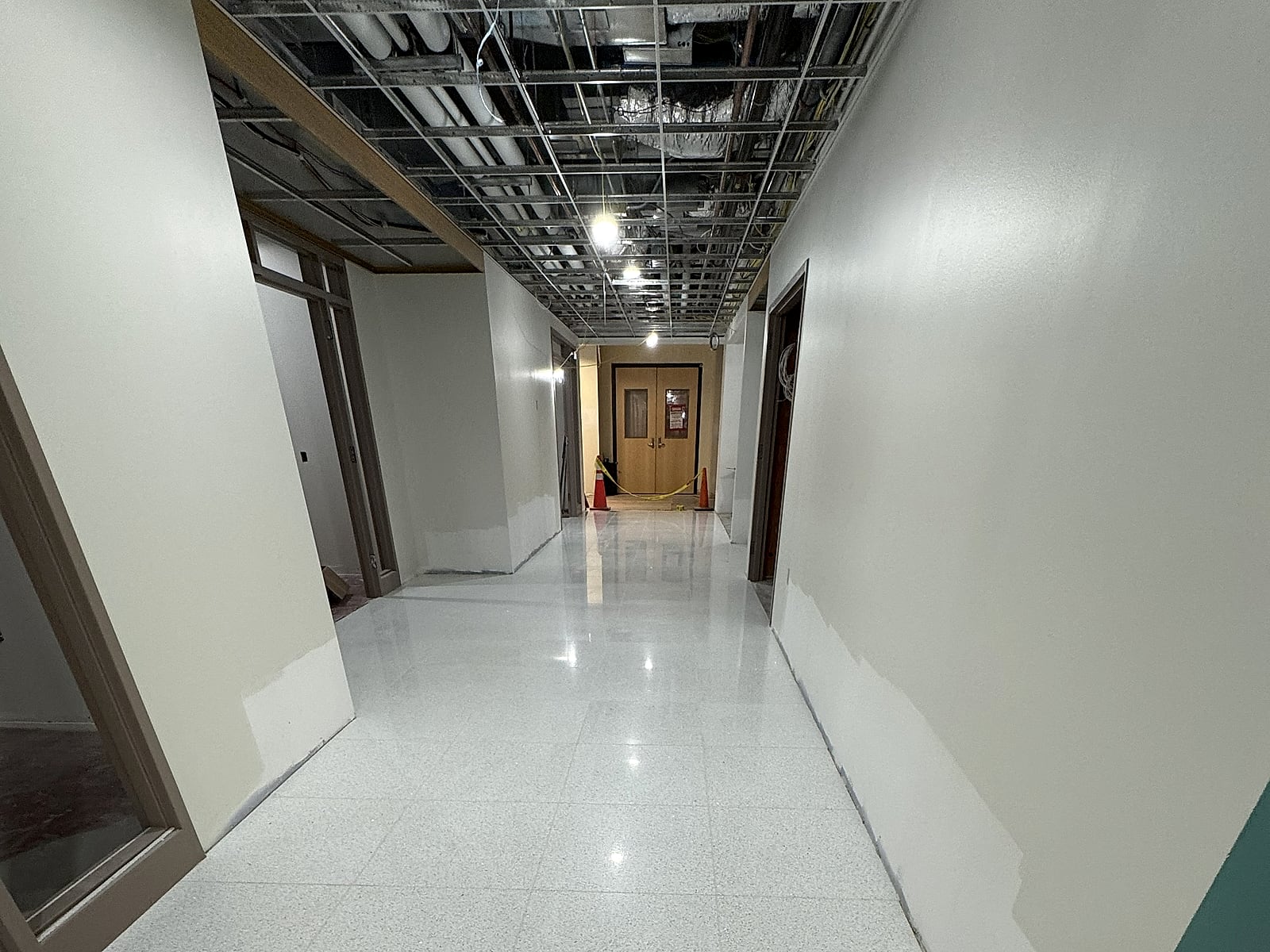
02Cracked or loose tile and localized substrate concerns can be evaluated without assuming a full-room replacement.
 03
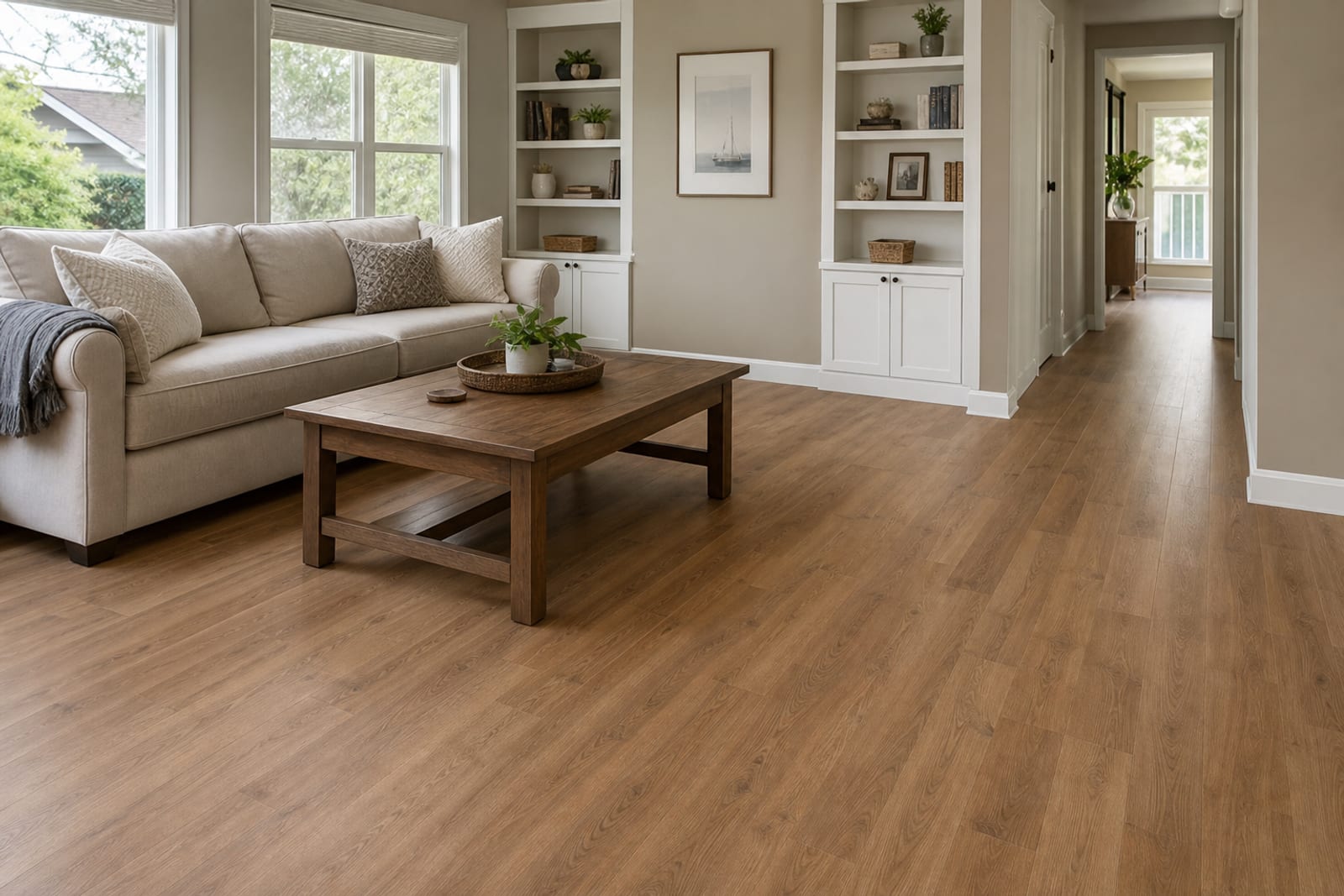
03Separated, chipped, damaged, or lifted planks can be assessed along with the condition that caused the problem.
Our repair process
The most useful repair plan considers the affected area, the material, what is underneath it, and whether a close match is available.
Share the affected area, flooring type, visible problem, and photos when available.
We review the surrounding material, substrate, moisture concerns, access, and likely cause.
The repair area, matching-material plan, preparation, and limitations are confirmed before work begins.
Damaged material is removed or stabilized and the localized repair is completed carefully.
We review the finished area and any care guidance or broader concerns discovered during the work.
Frequently asked questions
Often, yes. It depends on the flooring system, location of the damage, access, substrate condition, and whether compatible replacement material is available.
An exact match cannot always be guaranteed. Product lines, dye lots, finish aging, sunlight, and wear can create visible differences even when a similar material is found.
Matching spare material is very helpful, especially for discontinued products. If you do not have any, we can discuss sourcing options and realistic match expectations.
The source of the moisture must be resolved first. We can assess visible flooring and localized substrate damage, but larger moisture, mold, structural, or plumbing concerns may require another specialist.
Replacement may be more practical when damage is widespread, material cannot be matched, the flooring system cannot be selectively removed, or the underlying problem affects a larger area.
Start with the damaged area